
Color has the power to transform any outdoor space by creating harmony, contrast, and visual movement throughout the landscape. Many homeowners begin this creative process by partnering with professionals who specialize in landscaping design in Alpharetta to develop a plan that blends plant selection with color theory principles. By understanding how hues interact and influence mood, you can create a garden that feels vibrant, calm, or dramatic depending on your goals. With expert guidance, color theory becomes a strategic tool for enhancing curb appeal, improving flow, and ensuring your garden feels cohesive all year long.
Understanding the Basics of Color Theory
Color theory revolves around the relationships between colors on the color wheel. Warm colors like red, orange, and yellow energize a space, while cool tones like blue, purple, and green create a calming effect. Professionals consider these relationships to create gardens that align with a homeowner’s style and functional needs.
How Color Harmony Shapes Your Garden
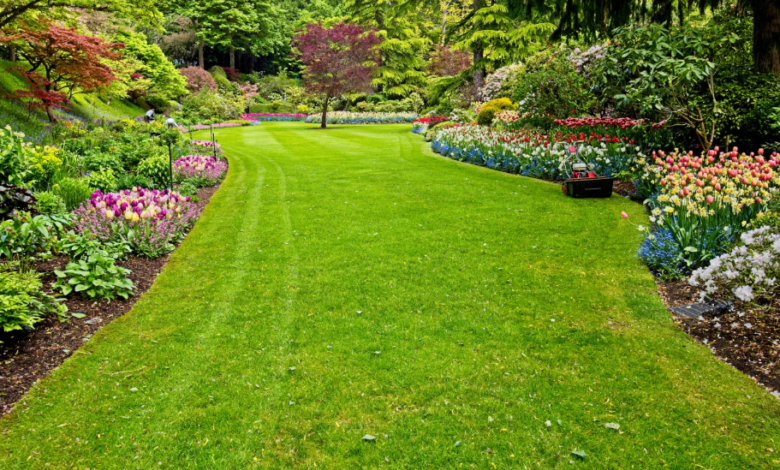
Balanced color arrangements guide the eye and establish rhythm and depth. By choosing complementary, analogous, or monochromatic palettes, landscapers create landscapes that look intentional rather than random.
Creating Focal Points With Bold Contrasts
Strategically placed color contrasts can draw attention to key features in your garden. Bright blooms, vibrant foliage, or uniquely colored shrubs can all serve as natural focal points.
Experienced designers use contrast to highlight entryways, pathways, or architectural features.
Making Your Garden Pop
Contrasting colors bring excitement and dimension to otherwise neutral spaces. This adds visual interest and helps each zone of the garden stand out while maintaining balance.
Establishing Mood Through Color
The colors you choose influence how your garden feels and how people experience the space. Warm palettes often create inviting environments, while cooler palettes evoke peace and relaxation. Professionals blend colors thoughtfully to ensure the overall mood supports the intended use of the space.
Tailoring Your Garden to Your Lifestyle
Whether you want an energizing entertainment area or a serene retreat, color selections help create the right emotional atmosphere. Experts use color to reinforce the garden’s purpose.
Using Color to Create Depth and Dimension
Color placement can visually expand or contract your garden. Lighter colors tend to recede, making areas appear larger, while darker shades bring elements forward. Designers often use this technique to make small spaces feel open or to define boundaries in larger landscapes.
Enhancing Space With Smart Color Placement
Strategic color transitions make gardens feel cohesive and layered. This contributes to a richer, more immersive outdoor experience.
Incorporating Natural Textures and Materials
Color theory extends beyond plants. Textured materials like stones, mulch, and decorative features play a significant role in your garden’s palette. Many find inspiration in options like creative river rock landscaping ideas for every garden, which show how natural elements complement plant colors. Professionals weave these materials into the design to add balance, contrast, and structure.
Blending Plants With Hardscape
Combining natural colors and textures helps create unified design themes. River rocks, pavers, and retaining walls all influence the way plant colors appear in different lighting and seasons.
Conclusion
Color theory is a powerful tool for creating a garden that feels beautiful, purposeful, and visually engaging. By understanding how colors interact and working with experts who specialize in design, you can build a landscape that reflects your style and enhances your property year-round. With thoughtful planning, strategic color placement, and the integration of natural materials, your garden becomes a dynamic and harmonious outdoor retreat.