
Winter temperatures can create unexpected challenges for heating systems, especially when cold air and moisture combine around critical components. One issue many homeowners face is a system that begins to ice over, which can interrupt performance and increase energy use. Preventing this requires professional attention and a clear understanding of what causes freezing. Many homeowners begin by consulting specialists experienced in HVAC in Burnt Store to ensure their equipment is prepared for seasonal conditions. With the right preventive measures and regular care, you can maintain steady heat flow even during the coldest days of winter.
Recognize Early Warning Signs of System Freezing
Understanding the conditions that lead to system freezing helps prevent costly discomfort later. When temperatures drop, airflow restrictions or performance issues can quickly turn into ice buildup.
Identify Common Causes Through Professional Evaluation
A trained technician can determine whether issues such as low refrigerant, restricted airflow, or system strain are present. Many homeowners strengthen their winter maintenance plans after exploring expert recommendations through top tips for optimal HVAC performance, which emphasize the importance of timely inspections. Professional assessments help catch early symptoms and ensure the system remains protected throughout the season.
Improve Airflow and Circulation During Winter
Proper airflow is essential for preventing freezing. When air cannot move freely, coils become overly cold and create ice accumulation.
Maintain Clear Pathways for Consistent Air Movement
Technicians can evaluate whether any internal obstructions or mechanical concerns are limiting airflow. They may adjust components, recommend improvements that support circulation, or identify situations where cold air is settling around vulnerable areas. These expert adjustments allow the system to run smoothly and lower the risk of wintertime freezing.
Read more: Home’s Electrical Setup
Ensure Optimal Refrigerant Levels and System Balance
Refrigerant issues are a leading cause of frozen components in cold weather. When levels are not balanced, pressure inside the system drops and ice can form quickly.
Schedule Routine Refrigerant Checks and Adjustments
A professional can measure refrigerant levels and verify that your system maintains proper pressure. Ensuring accurate levels prevents the coils from becoming too cold and keeps the system operating safely. These checks also support long term performance and reduce the likelihood of winter breakdowns.
Strengthen Insulation and Protect Outdoor Units
Cold outdoor temperatures affect the heating system just as much as indoor factors. Protecting exterior components from freezing conditions plays a major role in maintaining performance.
Add Protective Solutions Around Vulnerable System Components
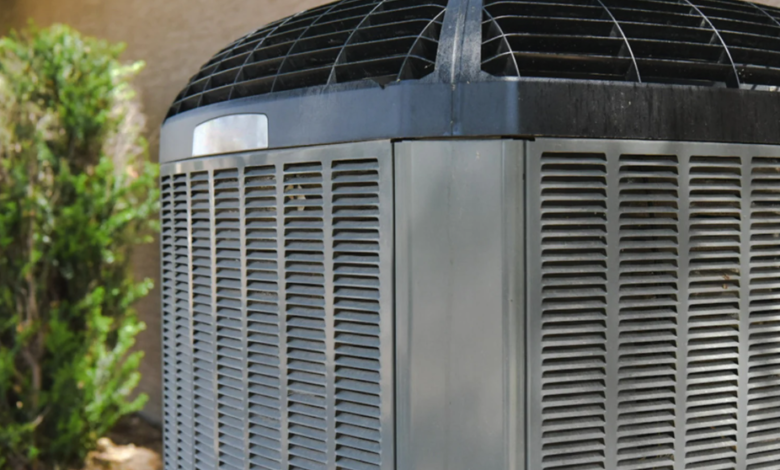
Professionals may recommend shielding exposed areas, adjusting placement of outdoor equipment, or reinforcing insulation around vulnerable lines. These enhancements help regulate temperatures and limit the effects of harsh winter weather on the system. Proper insulation also reduces the workload placed on the unit during peak cold periods.
Support System Performance With Seasonal Maintenance
Winter maintenance focuses on keeping every part of the system functioning efficiently. When each component works as intended, the risk of freezing is significantly lower.
Arrange Seasonal Tune Ups for Winter Reliability
Tune ups performed by skilled technicians ensure that airflow, refrigerant, electrical connections, and performance indicators are all in ideal condition. These services provide early detection of concerns that could otherwise lead to freezing. With consistent winter maintenance, your system remains dependable and better equipped to handle temperature drops.
Conclusion
Preventing your heating system from freezing during winter requires awareness, preparation, and ongoing professional support. By recognizing early signs, improving airflow, monitoring refrigerant levels, reinforcing insulation, and scheduling seasonal tune ups, you significantly reduce the risks associated with freezing conditions. With the right expertise and proactive care, your home will stay warm, comfortable, and protected throughout the winter season.