

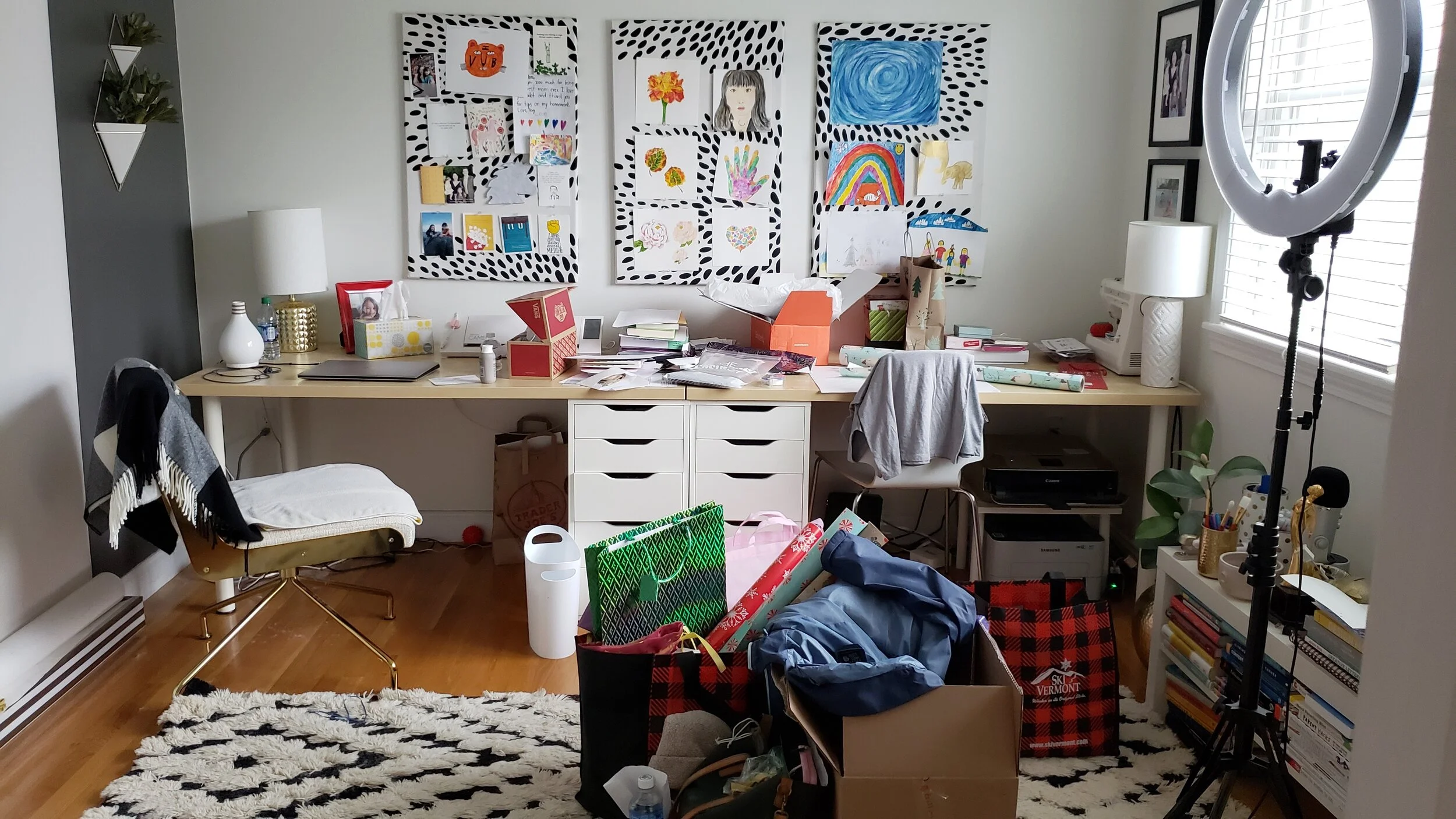
Working from home requires structure, comfort, and focus. A productive workspace helps you manage time better and keeps your motivation consistent. You can build one by choosing the right location, furniture, and environment that supports your workflow.
Organised Every Day shared that a clear and defined workspace helps you separate personal life from work. It also reduces distractions and improves performance.
1. Select the Right Location
Choose a quiet corner with natural light. Avoid high-traffic areas where household activity is common. A dedicated space, even if small, helps your mind associate it with focus and work.
2. Focus on Lighting
Light has a direct effect on focus. Use daylight whenever possible. Position your desk near a window but avoid glare on your screen. Add a table lamp with warm lighting for late hours. Good light reduces eye strain and supports consistent productivity.
3. Keep the Area Clutter-Free
A tidy workspace improves concentration. Keep only essential items like your laptop, notepad, and one or two personal objects. Avoid stacking paper or unused accessories on the desk. Clean your space before starting work each day.
4. Choose Comfortable Furniture
A good chair and desk are essential. Choose one that supports your back and allows natural posture. Adjustable chairs with armrests and proper desk height prevent fatigue. Avoid using couches or beds as work spots.
5. Manage Noise Levels
Noise limits focus. Use noise-cancelling headphones or play soft background sounds. If possible, use rugs and curtains to absorb external noise. Business Attract explains that controlling sound levels can raise your work efficiency by reducing interruptions.
6. Personalize the Workspace
Add one or two meaningful items like photos, a plant, or art. Too much decoration distracts attention, so keep it minimal. A touch of personality makes your space more enjoyable without losing focus.
7. Maintain Proper Air Quality
Air circulation keeps you alert and prevents fatigue. Open windows regularly or use an air purifier. Plants like aloe vera or snake plants can help improve air quality naturally.
8. Arrange Equipment Smartly
Keep devices and cables organized. Use holders or clips to avoid clutter. Arrange your monitor at eye level to prevent neck strain. Keep everything you use daily within easy reach.
9. Control Temperature and Light Balance
Neither too hot nor too cold spaces support focus. Use fans or heaters as needed. Combine natural and artificial light to maintain visual comfort through the day.
10. Limit Digital Distractions
Turn off unnecessary notifications. Use apps that block social media during work hours. Keep your phone face-down or in another room if it disrupts focus.
11. Set Clear Work Hours
Decide when you start and stop work. Consistency helps your brain form habits around focus. Avoid extending hours beyond schedule. Clear time boundaries prevent burnout.
12. Take Short Breaks
Use small breaks to move around or stretch. A five-minute walk helps reset attention. Avoid sitting for long hours without movement. Consistent breaks improve focus in the long term.
13. Keep the Desk Organized
Use drawers or shelves to store documents. Label folders and separate work materials by category. This saves time and keeps your desk functional.
14. Choose Calm Colors
Wall color affects mood. Neutral or light shades like beige, gray, or soft blue encourage calm thinking. Avoid bright colors that cause distraction.
15. Use Natural Elements
Add a small plant or wooden accessory. Natural textures make spaces feel balanced and inviting. Guardian Ideas points out that greenery reduces mental fatigue and boosts work satisfaction.
16. Optimize Technology Setup
Stable internet and good equipment prevent frustration. Use a reliable chair mat, keyboard, and mouse. Test your audio and video tools before meetings. Good tools support smooth workflow.
17. Maintain Hygiene
Dust surfaces regularly. Keep food and drinks away from electronic items. A clean environment reflects mental order and professionalism.
18. Plan Storage Wisely
Use vertical storage like shelves or wall-mounted boards. Store less-used items away from sight. Freeing desk space helps you stay efficient.
19. Add a Whiteboard or Planner
Track goals and deadlines visibly. Write daily tasks or priorities where you can see them. It helps manage progress and keeps accountability visible.
20. Balance Work and Relaxation
After work hours, step away from the desk completely. Avoid blending workspace with rest zones. Maintaining this separation helps restore energy.
Conclusion
A productive home workspace combines order, comfort, and discipline. Focus on the basics first: good lighting, clean surroundings, and consistent routines. Over time, your workspace will become a place that supports both creativity and control.