
A beautiful landscape is a harmonious blend of aesthetics and functionality, where every plant and hardscape element works together. While colorful blooms and lush greenery often steal the spotlight, the unseen infrastructure is what truly sustains the design. Without effective water management, even the most meticulously planned garden can succumb to erosion, root rot, and structural damage. Integrating professional landscape drainage in Johns Creek is not just a technical necessity; it is a foundational element that ensures the longevity and health of your outdoor space.
Protecting Plant Health and Soil Stability
The most immediate impact of poor drainage is visible in the health of your plants. While water is essential for life, too much of it can be just as deadly as a drought.
Preventing Root Rot and Disease
When water pools in flower beds or saturates the lawn, it deprives plant roots of the oxygen they need to survive. This waterlogged condition fosters the growth of harmful fungi and bacteria that cause root rot, leading to yellowing leaves, stunted growth, and eventually plant death. A well-designed drainage system ensures that excess moisture moves away quickly, keeping the soil structure aerated and healthy. This balance allows your plants to thrive rather than just survive, preserving your investment in your garden’s greenery.
Combating Soil Erosion
Uncontrolled water runoff is a powerful force that can strip away topsoil and mulch, leaving exposed roots and unsightly gullies in your yard. Over time, this erosion can destabilize slopes and compromise the integrity of retaining walls or other landscape features. By managing the flow of water, you keep vital nutrients in the soil where they belong and maintain the physical structure of your landscape design.
Preserving Hardscape and Structures
Drainage is equally critical for the non-living elements of your landscape. Patios, walkways, and even your home’s foundation are at risk when water is not properly managed.
Stopping Structural Damage
Water that collects on or near hardscape can seep into cracks and freeze during colder months, causing pavers to heave and concrete to crack. More critically, poor drainage can direct water toward your home’s foundation, leading to hydrostatic pressure and potential basement leaks. Understanding the differences between French and trench drains allows professionals to select the specific mechanism that best protects these structural assets. Whether it involves intercepting subsurface water or managing surface runoff, the right system prevents costly repairs and keeps your outdoor living areas safe and functional.
Enhancing Usability and Aesthetics
A landscape should be a place of relaxation and enjoyment, not a swampy mess. Proper drainage extends the usability of your outdoor spaces and maintains their visual appeal.
Eliminating Standing Water
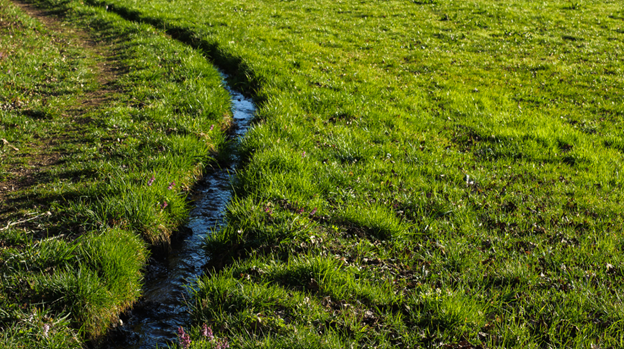
Persistent puddles and muddy areas render parts of your yard unusable for days after a rainstorm. They also become breeding grounds for mosquitoes and other pests, making outdoor activities unpleasant. By effectively channeling water away, a drainage system ensures your lawn remains firm and dry, maximizing the time you can spend enjoying your property. Furthermore, it prevents the buildup of mud and debris on walkways and patios, keeping your landscape looking pristine and well-maintained. Sustainable water management is a key component of resilient and livable outdoor environments.
Conclusion
Integrating effective water management strategies into your landscape design is essential for creating a sustainable and enduring outdoor space. It safeguards the health of your plants, protects your hardscape from costly damage, and ensures your yard remains a functional and inviting retreat. By prioritizing professional drainage solutions, you build a strong foundation for your landscape that enhances its beauty and value for years to come. Investing in this critical infrastructure is the key to a vibrant, healthy, and trouble-free garden.