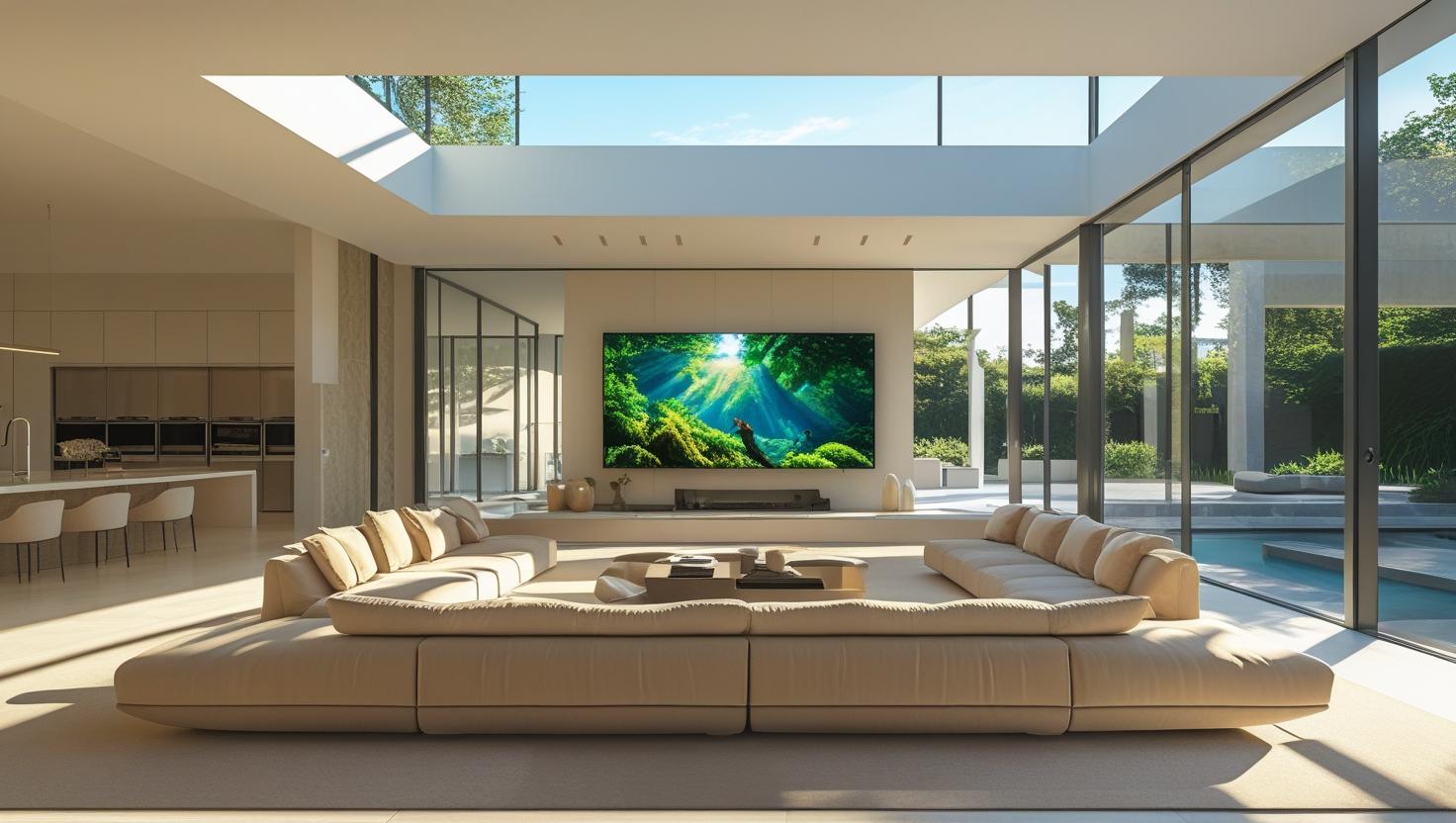

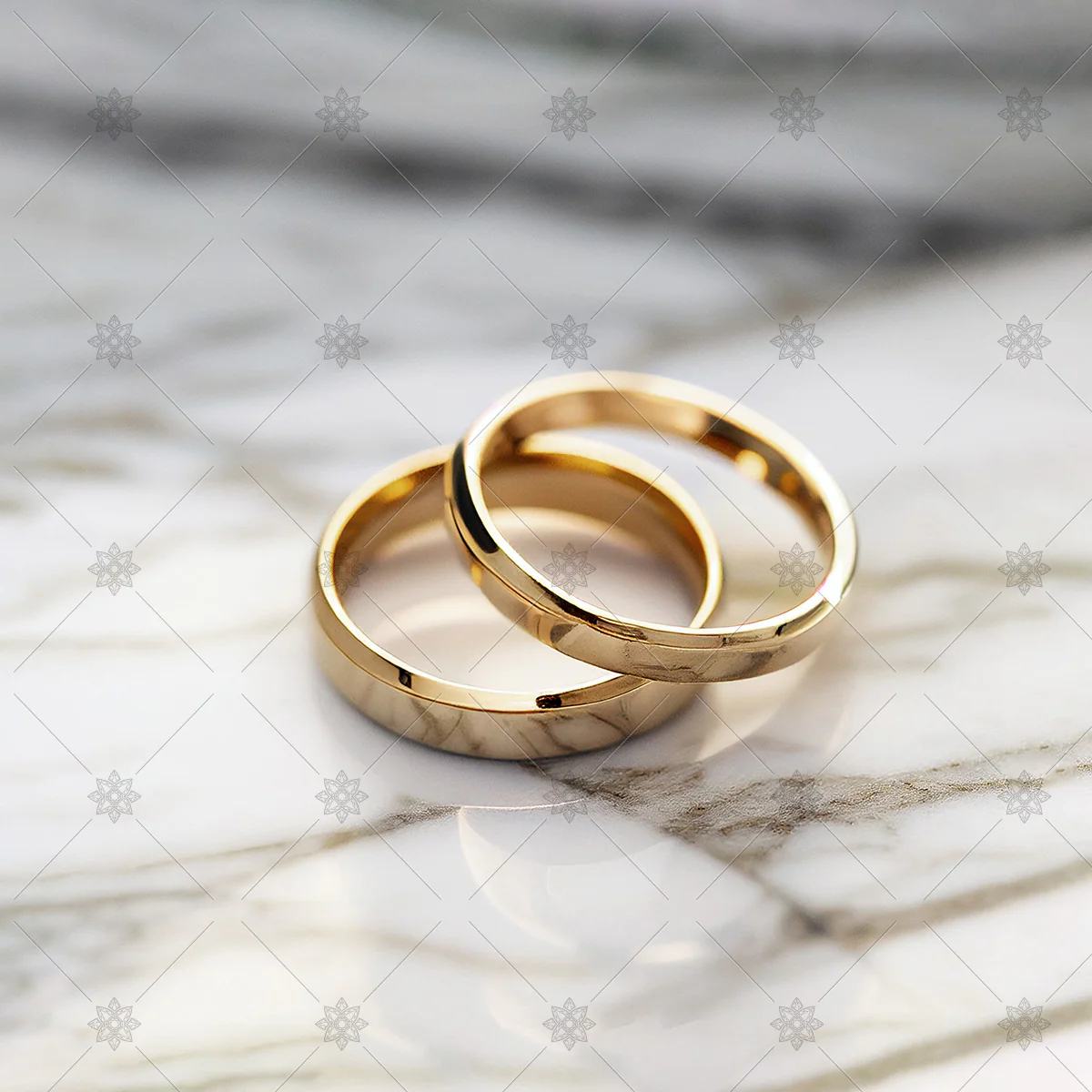
In my 15 years advising clients on personal and household investments, one question keeps coming back: where do you spend your first big money as a couple—on wedding rings or on furniture sets? Both are major investments, both carry symbolic weight, and both impact your quality of life in different ways. Having seen people regret each choice, I can tell you the decision isn’t just sentimental—it’s financial, cultural, and practical all at once. Let’s break it down.
Emotional ROI: Rings as Identity vs. Furniture as Comfort
When I worked with a young professional couple a few years back, their debate centered on rings versus their first home essentials. A wedding ring isn’t just jewelry—it’s an enduring sign of commitment, visible every day in personal and professional settings. A sofa or dining table, however, is equally enduring in its own context—hosting holidays, guests, and daily rituals. The emotional return on these investments matters more than people think. A mistake I see? Couples undervalue the lasting psychological benefit of comfort in the home environment.
Longevity and Resale Value
Here’s the reality: rings and furniture don’t age equally. In consulting, I track asset depreciation—furniture typically loses half its value the moment it’s delivered. Rings, especially made of gold or platinum, hold far greater value long-term. One client upgraded to Men Wedding Rings with a diamond setting, and five years later it resold for nearly its original purchase price. By contrast, their sofa had no resale demand. Furniture can be a sunk cost, whereas rings at least retain material worth.
Practical Utility Day-to-Day
MBA programs rarely teach this aspect, but I’ve seen it in real marriages: utility beats symbolism when the honeymoon fades. That $5,000 ring looks good at dinner, but the $5,000 sofa gets used daily by the entire family. During the pandemic, home became the center of life, and investments in Outdoor Patio Furniture exploded. Rings may represent love, but physical comfort is something couples appreciate after long workdays and family obligations. Utility scales better over years.
Relationship Dynamics and Perception
I once advised a fiancé worried that buying a modest ring meant he didn’t value his partner enough. But perception has layers—one spouse might say “the gold band matters” while the other cares more about the dining table hosting their future Thanksgivings. Reality check: how your partner interprets value matters more than market benchmarks. I’ve seen relationships strain because partners didn’t align expectations early. Rings and furniture both tell stories, only in different ways.
Financial Flexibility and Timing
Most couples think in absolutes: “We must choose.” But in real strategic decision-making, timing plays everything. Some of my smartest clients staggered their purchases—choosing affordable rings upfront, then investing in furniture when housing markets cooled. Rings are price-stable; furniture fluctuates more with supply chain shocks. In 2021, container shortages spiked furniture 30% while jewelry prices barely moved. Flexibility in sequencing avoids unnecessary premium spending.
Symbolism Versus Function in Business Terms
If we borrow from branding: rings are your logo, furniture is your infrastructure. Your ring communicates permanence outwardly, while furniture quietly supports your daily execution. As an executive, I’ve often told teams, “Invest in the logo later, build the systems first.” But when it comes to marriage, the roles reverse—the “logo” builds trust, and the system catches up as income stabilizes.
Trends and Generational Shifts
Back in 2018, everyone splurged on oversized diamond rings. Today, Gen Z couples are practical, shifting investment toward modular furniture and smaller, ethically sourced rings. I’ve noticed a 40% swing among younger clients toward prioritizing household comfort first. In volatile economies, furniture feels like a safer, tangible buy compared to jewelry, which many see as “luxury signaling.” These cycles reveal deeper cultural values over time.
Balancing Both with Smart Trade-offs
The choice isn’t binary. I had one client who bought modest yet elegant bands and simultaneously invested in a mid-tier furniture set. The key insight? Trade-offs. Instead of overspending on one “prestige” item, distribute capital where both emotional and functional ROI overlap. It’s essentially portfolio diversification—what applies in finance also applies in family decisions. Spreading investment risk keeps satisfaction high while minimizing long-term regret.
Conclusion
So, which investment wins—wedding rings or furniture sets? The truth is there’s no single right answer. Rings endure, symbolize, and even retain monetary value. Furniture delivers comfort, function, and anchors your daily life. The most successful couples I’ve advised treat the decision less like an either/or and more like a sequencing and trade-off strategy. Think timing, emotional ROI, and long-term functionality. Ultimately, the “better” investment is not about dollars but about alignment with your shared values and life stage.
FAQs
What holds more long-term financial value, wedding rings or furniture sets?
Wedding rings, particularly those of gold or platinum, tend to hold greater resale and intrinsic value, whereas furniture depreciates quickly.
Which investment gives more daily use?
Furniture sets deliver more utility since they’re used multiple times a day, while rings primarily serve symbolic and aesthetic purposes.
How do generational trends affect this decision?
Younger couples increasingly prioritize functional household investments like furniture while opting for simpler rings, reflecting practical economic choices.
Can furniture ever be considered a real investment?
Not in financial terms. Apart from high-end vintage pieces, most furniture is a consumption expense, not an appreciating asset.
What’s a smart way to balance wedding rings and furniture in budgeting?
Allocate modestly to both. Choose affordable yet durable rings and invest in essential furniture early, adding higher-value pieces over time.