

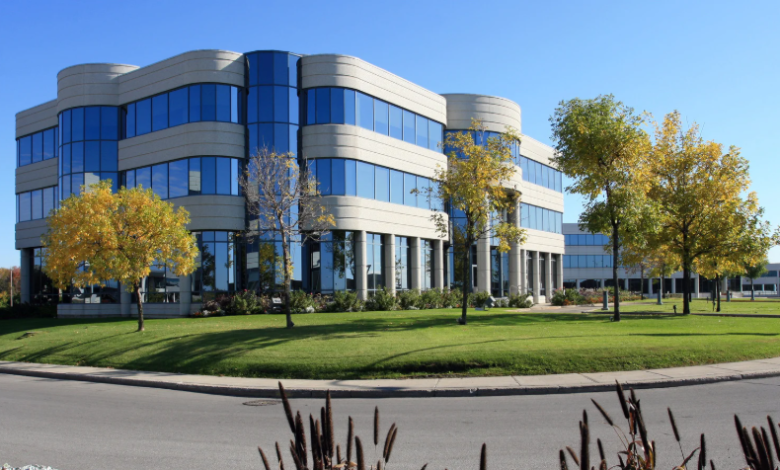
Behind every successful commercial building, from a bustling retail center to a high-rise office tower, stands a skilled architect. Their role extends far beyond simply drawing blueprints; they are the master conductors of a complex process, translating a developer’s vision into a tangible, functional, and profitable asset. An architect’s expertise is critical for navigating the intricate landscape of zoning laws, construction codes, and market demands. Engaging experienced commercial architects in Atlanta from the outset is the most crucial step in ensuring a project’s success, transforming an abstract idea into a landmark that serves its community and stakeholders.
Strategic Vision and Feasibility
Before any ground is broken, an architect plays a pivotal role in the strategic planning and feasibility analysis of a commercial project. They help developers understand what is possible on a given site. An architect begins by conducting a thorough analysis of the property, assessing its topography, orientation, and surrounding context. They investigate zoning regulations and land use restrictions to determine the building’s maximum potential size, height, and function. This early phase is critical for establishing a realistic project scope and avoiding costly regulatory hurdles later. The architect then develops a master plan that optimizes the site layout for factors like traffic flow, parking, and public access.
Design and Documentation
Once the project’s feasibility is confirmed, the architect moves into the design phase, where the vision begins to take shape. This stage is a delicate balance of creativity, technical precision, and regulatory compliance.
Balancing Aesthetics and Functionality
The architect works to create a design that is not only visually appealing but also highly functional for its intended use. For an office building, this means designing efficient floor plates that maximize leasable area. For a retail space, it involves creating an inviting environment that encourages foot traffic. During this phase, critical considerations like optimizing space for accessibility are integrated to ensure the building serves all users safely and equitably, in compliance with the Americans with Disabilities Act (ADA).
Construction Documents
Following design approval, the architect produces a comprehensive set of construction documents. These highly detailed drawings and specifications are the technical instructions that guide contractors, engineers, and subcontractors. They cover every aspect of the build, from structural systems and materials to electrical and mechanical layouts. These documents are essential for obtaining building permits and accurate construction bids.
Construction Administration
An architect’s job does not end when construction begins. They remain a central figure throughout the build, acting as the developer’s representative to ensure the project is executed according to the design intent. During construction, the architect conducts regular site visits to observe progress and verify that the work conforms to the construction documents. They answer questions from the contractor, review material submittals, and solve unforeseen problems that inevitably arise on a complex job site. This oversight is crucial for maintaining quality control and keeping the project on schedule. This administration phase is vital for protecting the owner’s interests and achieving the desired outcome.
Conclusion
The role of an architect in commercial development is multifaceted and indispensable. They are strategic partners who guide a project from its initial conception to its final completion, blending creative vision with technical expertise and regulatory knowledge. By orchestrating every phase with precision, an architect not only ensures the creation of a sound and functional building but also maximizes its long-term value for developers, tenants, and the surrounding community. Their contribution is the foundation upon which successful commercial ventures are built.