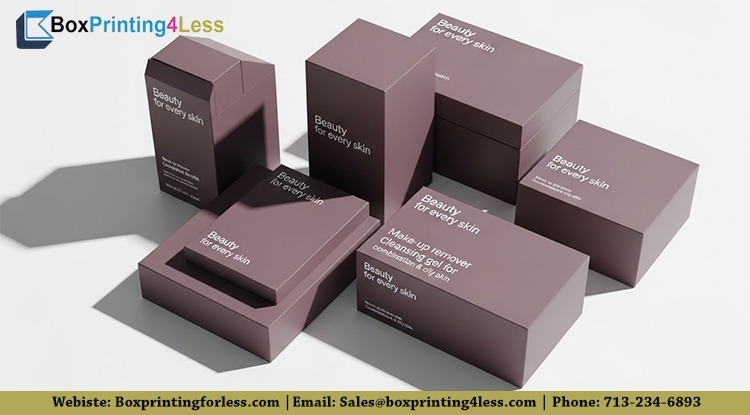
Imagine your favorite lipstick sliding out of a box that feels cheap and flimsy. The color looks dull, the brand feels forgotten the moment you toss the package aside. Now picture the exact same lipstick inside a sturdy, beautifully finished box that catches light and turns heads on your vanity. That small difference changes everything. Customers judge beauty products before they even twist the cap, and the box sets the first impression.
Most cosmetic brands struggle with the same issue. They pour money into perfect formulas, yet the packaging looks generic or breaks in a purse. Thin cardstock tears, plastic trays crack, and matte finishes scratch the second they leave the shelf. The result? Lost sales and disappointed buyers. The fix is simple: choose the right material from the start. Strong, eye-catching packaging protects the product, boosts visibility on crowded shelves, and makes your brand feel premium without costing a fortune.
One smart way to get noticed is through custom beauty packaging that fits your exact product and style. Companies that switch to better materials see their items fly off shelves faster because the box itself sells the dream.
Cardboard and Paperboard: The Everyday Hero
Cardboard remains the top choice for most cosmetic boxes, and for good reason. It’s lightweight, affordable, and takes printing like a champ. Brands love folding cartons made from solid bleached sulfate (SBS) paperboard because the surface stays bright white and shows off vibrant colors and sharp logos.
Thicker versions, like 18-pt or 20-pt stock, give a luxury feel without jumping to expensive rigid boxes. Add a soft-touch coating or spot UV, and the box feels velvety while certain areas shine. Makeup brands use this trick all the time for eyeshadow palettes and skincare sets. The material ships flat, assembles fast, and recycles easily, so customers don’t feel guilty tossing it when the product is gone.
Kraft Paper: The Natural Look That Sells
Clean beauty brands can’t get enough of kraft paper right now. The brown, earthy tone screams “natural” and “eco-friendly” before anyone reads the label. Unbleached kraft feels honest and raw, perfect for organic serums, solid shampoo bars, and mineral makeup lines.
Printers can still add white ink or foil stamping on kraft to make logos pop against the rustic background. The material holds up well, resists moisture better than people think, and costs less than fancy coated stocks. Customers keep these boxes longer because they look good sitting out on a counter.
Rigid Boxes: When You Want to Feel Expensive
High-end brands like La Mer and Charlotte Tilbury swear by rigid boxes. These are thick chipboard wrapped in printed paper, often with magnetic closures and satin inserts. The weight alone tells the customer, “This is special.”
Setup costs run higher than folding cartons, but the perceived value skyrockets. A $60 cream feels right at home in a rigid box; the same cream in flimsy cardboard feels overpriced. Many brands choose matte black or soft cream wraps with gold or rose-gold foil for that quiet luxury vibe.
Metal Tins and Aluminum: Bold and Reusable
Lip balms, solid perfumes, and cream highlighters often come in metal tins. Aluminum resists dents, blocks light completely, and keeps air out. The cool touch feels premium, and customers reuse them for pills, earrings, or bobby pins long after the product is gone.
Printing directly on metal gives a clean, modern look, while paper labels add color and detail. Some brands emboss their logo right into the lid for extra texture. The click of the lid closing satisfies every single time.
Glass and Acrylic: Crystal-Clear Luxury
Face creams and nail polishes still love heavy glass jars inside protective boxes. The outer box keeps the glass safe during shipping and adds branding space. Clear acrylic boxes work the same way but weigh less and shatter less often.
Both options let customers see the product color through windows or fully transparent walls. A thick acrylic box with a gold frame screams “Instagram-worthy” the moment it arrives.
Eco-Friendly and Biodegradable Options
More brands now pick mushroom packaging, bagasse (sugarcane fiber), or recycled ocean plastic inserts. These materials break down faster than traditional foam or plastic trays. Customers notice and share it online, giving free marketing to brands that walk the talk.
Final Thoughts on Choosing Your Material
Pick cardboard or paperboard for everyday lines that need to move fast and look sharp. Go kraft when your story is natural and clean. Choose rigid setups for prestige items that cost more than $50. Use metal tins for balms and solids people keep forever. Glass and acrylic work when you want the product itself to shine through.
No matter which you choose, work with a printer that knows cosmetics inside out. Boxprinting4less handles all these materials daily and helps brands pick the perfect stock for budget and vibe. The right material turns a simple box into part of the ritual — something customers look forward to opening every single day.
Popular Materials Used for Cosmetic Packaging Boxes