
I think the best way to discover a city is sometimes to leave the sightseeing plan and follow whatever catches your attention. In Srinagar, that could be a narrow lane leading to a mosque, a shopkeeper arranging his goods for the day, or the smell of bread drifting out of a small bakery. I would happily follow the last one. The aroma of warm dough and wood smoke offers a glimpse into a side of the city that visitors might miss if they stick to the usual tourist stops.
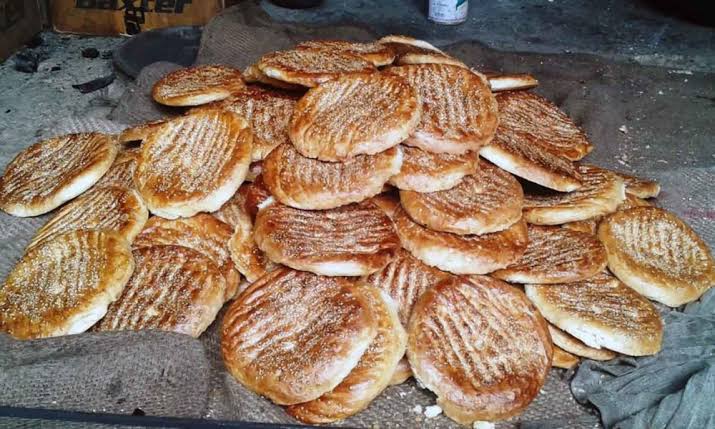
In Srinagar’s older neighbourhoods, traditional bakeries, known as kandurwans, have long been a part of everyday life. People stop by to buy bread for breakfast, pick up something to serve with tea and exchange a few words with neighbours. The bakeries do not need elaborate displays to attract customers. The smell from the oven does much of the work. Once I began paying attention to these little shops, I found myself looking at the old city differently.
Starting early makes all the difference in Srinagar
I began this walk early in the morning, when the lanes of downtown Srinagar start to stir. Shopkeepers prepare for the day, and traditional bakers bring fresh bread from their clay ovens. By the time the neighbourhood grows busy, many people have already collected what they need for breakfast.
You may get a close-up look at this everyday activity in the city’s oldest neighbourhoods, such as those near Zaina Kadal, Nowhatta, and Khanyar. I took the smaller lanes at a leisurely pace and searched for a working Kandurwan instead of a rigid list of destinations.
Discovering the breads in Srinagar behind the aroma
Girda, a round Kashmiri bread with a soft inside and a somewhat crisp crust, is what I loved to try. Sesame seeds give it a nutty finish, and bakers frequently stamp the top before baking. Many people pair it with noon chai, the well-known pink, salty tea offered in Kashmir, or eat it with butter.
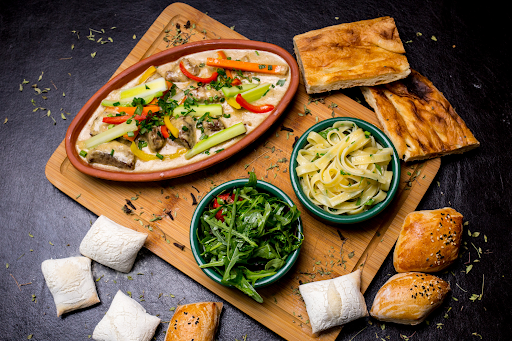
Then there’s lavasa, a thinner bread that pairs nicely with tea or a meal. I also tried sheermal, a slightly sweet bread prepared with components like milk and saffron, and kulcha, which has a crumblier, harder structure. Another kind worth enquiring about is Bakarkhani, which has a thick, layered texture.
This bread culture appealed to me because of how effortlessly each variety of bread integrated into daily life. Whether it was girda for breakfast or another bread for tea, the locals understood what they wanted.
A Srinagar bakery is also a neighbourhood meeting point
I also watched the morning bustle outside a kandurwan for a very long time. While one customer might stop for a brief conversation before leaving for work, another might come to buy bread for the family. The baker was familiar with the regulars’ orders, and they frequently knew exactly what they wanted.
Additionally, a great deal of skill goes into making the bread. To ensure that every batch turns out as it should, Kashmiri bakers learn how to prepare and shape the dough, assess the clay oven’s heat, and adjust the timing. These abilities have been handed down through the ages. A kandurwan may be a typical small store from the outside, yet on the inside, years of experience go into creating something as basic as a loaf of bread.
Planning a comfortable stay in Srinagar
I would choose a place to stay that made it easy to get out early and explore the old city on foot. While comparing hotels in Srinagar, I would look at access to downtown, nearby transport and breakfast options. Staying somewhere convenient meant less time travelling in the morning and more time wandering through the lanes, stopping at bakeries and enjoying the city at its own pace.
Final thoughts
Following the aroma of freshly baked bread while exploring Srinagar’s historic areas offered me a new perspective on the city. I didn’t have to locate a single well-known bakery or sample every variety of bread. I liked how individuals purchased their breakfast, how bakers continued a long-standing custom, and how these businesses fostered community among neighbours.
I used to leave early, have a warm girda, drink some Kashmiri tea, and ask the baker what else was fresh that morning. After that, I would continue going without giving much thought to where the next turn would lead me. A baker taking bread out of a hot oven, someone carrying breakfast home, or the aroma of freshly baked bread trailing me down a small lane are some of the most memorable moments of a town.