3D projection mapping can cost anywhere from a few thousand dollars to well over $100,000. The final price depends on your venue, projector setup, animation quality and event scale. A small indoor display needs less equipment and planning than a large outdoor building show. Before you set a budget, you need to understand where the money goes and which choices matter most for projection mapping cost.
| Key TakeawaysSmall indoor displays often start around $2,000 to $8,000. Large outdoor installations can cost $25,000 to $100,000 or more, depending on creative and technical needs.High-brightness projectors, custom animation and multi-day staffing usually drive prices higher. A large building also needs more testing and precise visual alignment.You can reduce spending by renting equipment, choosing a suitable venue and keeping animations focused. Early planning also helps you avoid rush charges.The best results come from matching the visual experience to your event goal. A clear message often performs better than an expensive show with no purpose. |
Pricing note: The figures below offer general planning estimates only. Your final amount will depend on supplier rates, location, venue conditions, creative scope, technical requirements and event timing.
3D Projection Mapping Pricing Structure Explained
Most small projection projects cost between $2,000 and $8,000. These setups may use one projector, a simple screen or wall and short motion graphics. They work well for store launches, private parties, small weddings and indoor product displays.
Mid-sized events usually range from $8,000 to $25,000. This budget can cover brighter projectors, custom animations, technicians, media servers and venue testing. Many brand events, trade shows, concerts and corporate gatherings fall into this category.
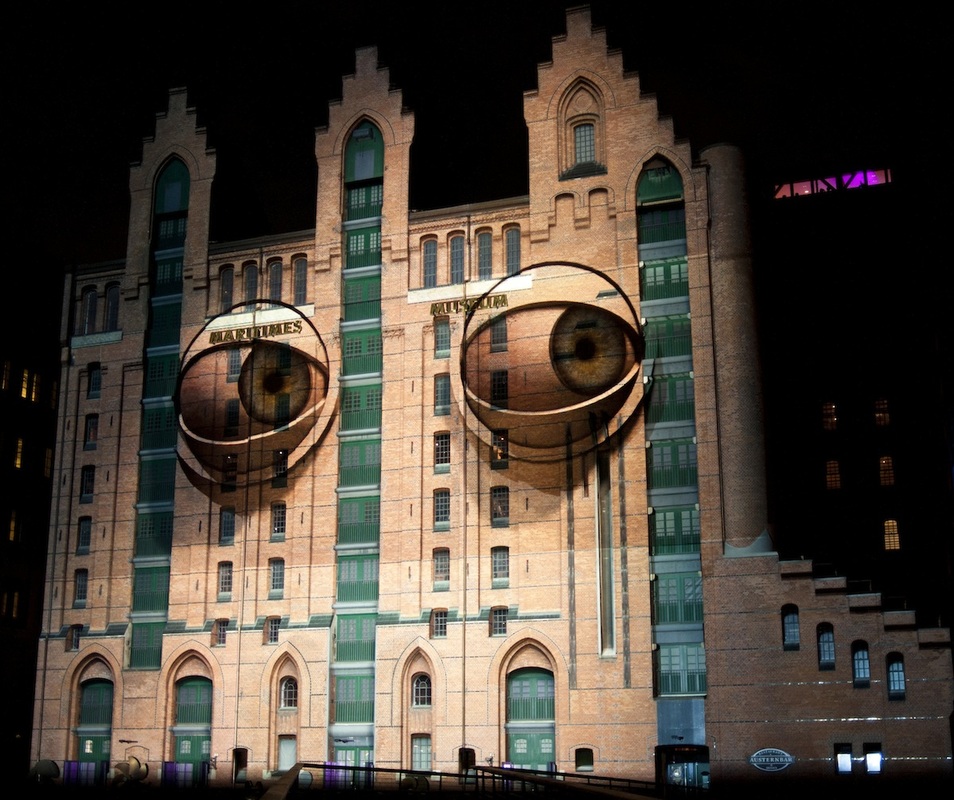
Large outdoor displays can cost $25,000 to $100,000 or more. A major building projection may need several powerful projectors, custom 3D scenes, structural support, permits, backup systems and a full technical crew. Large public events often need longer setup periods as well.
| Project scale | Typical budget range | What it may include |
| Small indoor display | $2,000 to $8,000 | One projector, basic visuals, short setup |
| Medium event display | $8,000 to $25,000 | Custom content, brighter equipment, technicians |
| Large outdoor show | $25,000 to $100,000+ | Multiple projectors, 3D animation, full production crew |
The equipment itself is only one part of the budget. You may also pay for animation, projector lenses, media playback systems, transport, rigging, sound, insurance and technical support. A simple logo reveal costs far less than a five-minute animated story built around a historic building.
Factors That Affect the Cost of 3D Projection Mapping
Every event has different visual goals and technical limits. A clear wall inside a dark venue needs less planning than an outdoor structure surrounded by streetlights. These five factors usually have the biggest effect on your final budget.
1. Size of the Projection Surface
A larger surface needs more visual coverage and more precise setup work. A small wall at a restaurant might need one projector. A hotel façade or concert stage may need several units working together.
Complex surfaces also increase the workload. Windows, pillars, balconies, arches and curved walls need detailed measurements. Designers must shape the animation around each feature so the visuals look accurate.
For example, projecting onto a flat 20-foot wall is fairly simple. Mapping a six-story building with windows and decorative stonework needs far more time. That extra work affects both content production and technical installation.
2. Number and Type of Projectors
Projectors come in many brightness levels and resolutions. A dark indoor room may work with a lower-lumen projector. Outdoor spaces or brightly lit venues need stronger units to keep the visuals sharp.
High-lumen projectors cost more to rent. They may also need special lenses, secure mounts, cooling and experienced technicians. If the image must cover a wide building, several projectors may blend together to create one seamless display.
Projector placement matters too. Sometimes the equipment can sit close to the surface. Other times, it must project from a long distance across a road or courtyard. Longer distances can require expensive lenses and careful alignment.
3. Complexity of Animation
Animation often takes a large share of the budget. Basic visuals may include moving patterns, branded colors, photos or a short logo animation. These options can still look impressive when the design fits the venue.
Custom 3D content needs more work. Artists may create a digital model of the building or stage first. Then they build scenes that make walls appear to open, move, crack or transform.
A simple product logo animation might take a few days. A cinematic sequence with characters, sound effects, detailed textures and multiple scenes can take weeks. Revisions also add time, especially when clients change the story after production begins.
4. Event Duration
A one-night event usually needs less staffing than a week-long campaign. However, the setup and testing costs may remain similar because the team still needs to prepare the entire system.
Longer events can require extra rental days, technician shifts, security, maintenance and backup equipment. Outdoor projects may need daily checks because weather and public access create more risks.
Still, longer campaigns can offer better value in some cases. A retail brand can reuse the same visuals for several nights. A touring event may also use the content at multiple locations after small adjustments.
5. Indoor vs. Outdoor Setup
Indoor environments give production teams more control. They can block light, manage sound, protect equipment and test visuals without worrying about rain or wind. Because of this, indoor shows often cost less.
Outdoor events need more planning. Bright streetlights, traffic, nearby buildings and weather conditions can affect image quality. Teams may need weatherproof covers, scaffolding, cable protection, permits and security barriers.
Power access can also become a major issue outdoors. Large projectors draw significant electricity, so the venue may need generators or extra power distribution. These details can turn a simple idea into a bigger production job.
Is 3D Projection Mapping Worth the Investment?
3D projection mapping can be worth the money when you need a memorable visual moment. It works especially well for product launches, concerts, exhibitions, store openings, tourism events and corporate celebrations. People often record striking displays and share them online, which can extend the event’s reach.
Still, the visuals should support a real goal. A fashion brand may use the display to reveal a new collection. A museum may use it to tell a local story. A company may use it to make a product launch feel more exciting.
For smaller events, a simpler setup may offer better value. You do not always need a huge building display to impress guests. Strong creative direction, clear branding and good timing can make a compact show feel special.
Cost-Saving Tips for 3D Projection Mapping Projects
You can control spending without making the experience feel weak. Smart choices during planning often save more money than last-minute budget cuts.
1. Use Existing Venue Features
Choose a venue with a clean wall, stage backdrop or visible architectural feature. Existing power access and safe equipment positions can reduce extra labor. A flat surface also makes animation work faster and easier.
2. Choose Rental Equipment
Renting usually makes more sense for a one-time event. Rental companies can provide projectors, lenses, mounts, media servers and technical support. This approach also helps you avoid repair, storage and maintenance costs.
3. Simplify Animation
Focus on one strong creative idea instead of adding too many scenes. Short branded sequences can look polished and professional. You can also use existing logos, product photos or video footage to reduce design time.
4. Plan Early
Early planning gives you more supplier options and better rental availability. It also gives the creative team enough time to inspect the venue and test the visuals. Rushed work can lead to overtime, costly changes and limited equipment choices.
Common Mistakes That Increase Projection Mapping Costs
Small planning mistakes can create large expenses later. Most budget problems happen when clients overlook technical details or change the creative direction too late.
Choosing Wrong Equipment
A projector may look affordable at first, yet it can fail in a bright venue. If the image appears dull, you may need stronger equipment at the last minute. That change can increase rental, transport and labor charges.
Always match the projector to the venue size, surface color, viewing distance and ambient light. A professional supplier can recommend the right brightness level before the event.
Underestimating Content Creation
Many people assume projection content works like a regular video. It does not. Designers must shape visuals around the exact surface, which takes planning and technical skill.
Custom scenes also need rendering, testing, feedback and revisions. Share your brand assets and creative direction early. A clear brief helps the team avoid repeated changes that eat into the budget.
Ignoring Site Testing
A venue can look perfect in photos yet create problems during setup. Hidden lights, uneven walls, narrow viewing areas and poor power access often appear only during a site visit.
Testing allows the team to adjust projector positions and image brightness. It also helps them spot safety concerns before event day. Skipping this step may save money early, but it can create expensive problems later.
Not Planning Technical Requirements
Projection mapping needs more than projectors and animation. The team may need power distribution, cable routes, mounting points, sound equipment, internet access and secure work areas.
Ask the venue for technical details before signing contracts. Then share those details with your production partner. This simple step can prevent delays and avoid extra charges during installation.
Why Is Projection Mapping Expensive?
Projection mapping combines creative work with technical production. Designers create custom visuals while technicians handle projectors, lenses, playback systems, cables and alignment. Both sides must work together for the show to look convincing.
The process also demands careful preparation. Teams measure the surface, create a digital layout, test image placement and adjust the display on site. For large installations, they may work late at night when outdoor lighting conditions match the event.
Other expenses can include transport, permits, insurance, security, generators, scaffolding and backup equipment. These costs may not appear obvious at first. However, they help protect the show from technical failures and safety issues.
Conclusion
3D projection mapping can fit many budgets when you plan the project carefully. Small indoor displays may need one projector and simple motion graphics. Large outdoor productions need stronger equipment, custom animation, skilled technicians and detailed safety planning. Your venue, event length, surface size and creative vision will shape the final amount. Start by defining what you want guests to feel or learn.
Then choose equipment and visuals that support that goal without adding unnecessary extras. Compare detailed supplier quotes and check what each package includes before making a decision. Careful planning helps you get better value from your projection mapping cost.