

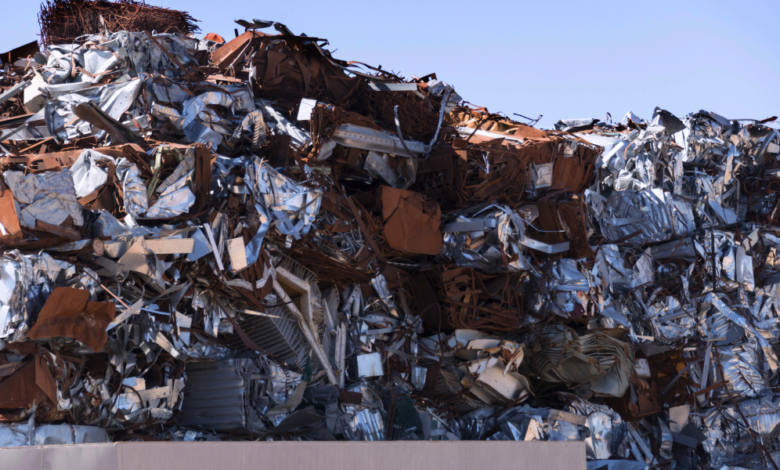
Scrap metal recycling has become an essential practice for businesses that handle metal waste regularly. With rising operational costs and growing competition, companies are constantly looking for ways to improve efficiency and increase profitability. Many organizations now rely on scrap metal recycling in Canton to turn unused materials into an additional revenue source. By incorporating recycling into their workflow, businesses can optimize waste management, reduce unnecessary expenses, and enhance the overall value of their operations. Understanding the financial advantages of recycling allows companies to make better decisions and strengthen their long-term performance.
Increasing Revenue Through Material Recovery
When companies choose to recycle scrap metal instead of discarding it, they gain access to a consistent revenue source. Metals such as steel, copper, aluminum, and brass retain value and can be sold to recycling facilities for competitive rates. For businesses that generate scrap regularly, even small amounts collected over time lead to substantial returns. This steady income helps offset production costs and boosts financial stability. Additionally, separating valuable metals improves the resale price, allowing companies to maximize earnings from materials they would otherwise throw away.
Reducing Waste Disposal Expenses
Disposing of large quantities of metal through general waste services can become costly. Fees for transportation, landfill use, and handling accumulate quickly, especially in industries with continuous production. Understanding the role of scrap metal recycling in sustainable construction can help clarify how redirecting materials away from disposal facilities can significantly lower these expenses. Many recycling centers offer programs that reduce or eliminate drop-off charges for metal waste, and some even provide pickup services that cut down on labor and transportation needs for the business. These savings strengthen overall efficiency and help companies allocate resources to more essential areas.
Improving Operational Efficiency and Space Management
Accumulated scrap metal can take up valuable floor space and create logistical challenges in busy work environments. Regular recycling helps companies maintain a cleaner and more organized site, improving workflow and reducing disruptions. With consistent removal of scrap, employees spend less time dealing with clutter and more time focusing on key tasks. Better space management also enhances safety by preventing unnecessary obstruction around work areas. When operations run smoothly, businesses experience fewer delays and improved productivity.
Strengthening Project Planning and Budgeting
Businesses that integrate recycling into their operations gain better control over material flow, scheduling, and cost forecasting. With clear recycling routines in place, managers can predict output, estimate revenue from recovered metals, and plan disposal budgets more accurately. This structure allows teams to coordinate production activities more efficiently and avoid unexpected waste-related expenses. Predictable recycling processes also simplify negotiations with vendors, haulers, and contractors who rely on accurate material estimates.
Enhancing Inventory and Material Tracking
Scrap metal recycling encourages businesses to monitor their materials more closely. Tracking which metals are most frequently discarded helps companies identify inefficiencies in production or storage. These insights can lead to better purchasing decisions and improved material usage practices. Accurate tracking also supports quality control for businesses working with metal components. When teams understand how much material is recovered from specific processes, they can adjust techniques to reduce waste and generate additional cost savings.
Boosting Long-Term Financial Performance
Recycling not only provides immediate financial benefits but also contributes to healthier long-term operations. Companies that maintain structured recycling programs experience fewer material losses, reduced waste-related expenses, and improved workflow over time. These advantages help strengthen profitability across multiple departments. Access to regular metal recovery revenue also offers greater financial flexibility, which supports business growth, equipment upgrades, and expansion planning.
Conclusion
Scrap metal recycling delivers meaningful economic advantages for businesses by generating revenue, reducing disposal costs, improving workspace efficiency, and supporting better planning. Companies that adopt consistent recycling practices can streamline operations and create a more financially stable foundation for future growth.