

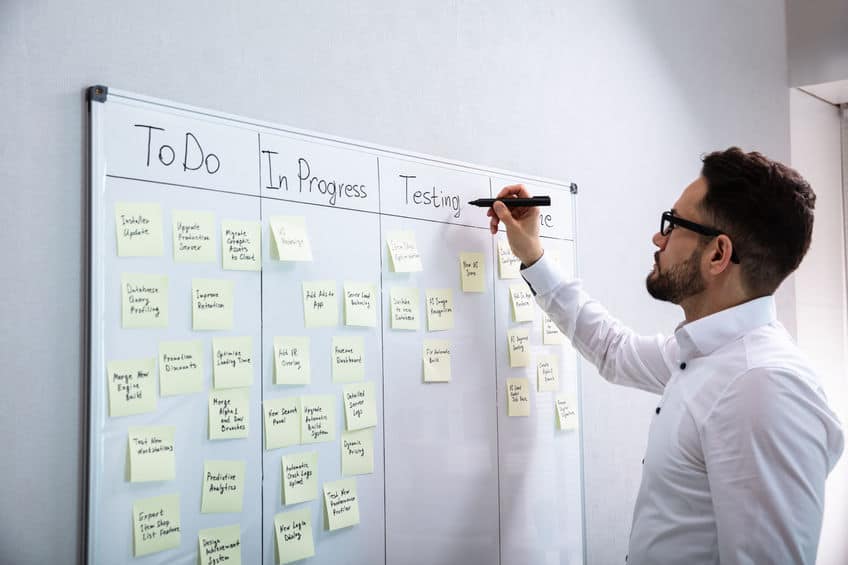
You finish work faster when you break big tasks into smaller steps. You give your mind a clear plan. You reduce stress because you know what to do next. Many readers on What News 2 Day use this method to stay productive in their homes and work routines. You can follow the same approach and make your large tasks easier to handle.
You improve your focus when you stop looking at a task as a whole. A large task feels heavy. A small task feels simple. You move forward faster when you divide the work into clear, small actions.
Why Big Tasks Feel Hard
You feel stuck when you face a task with no direction. Your mind sees the full workload. It feels too large. You do not know where to begin. This makes you delay the task.
You fix this problem when you break the task into smaller parts. Each part looks clear. Each part feels doable. You give yourself momentum with every step you complete.
Start With a Clear Goal
You need a clear goal before you break a task down. Write the goal in simple words. Keep it specific. A clear goal shows you what the final result should look like.
For example, if your goal is to clean your home office, write it down as one short line. This helps you see the task as one complete outcome instead of a vague idea.
List Every Small Action
You break the task into small actions that you can complete in a short time. You focus on actions, not results. This keeps you moving one step at a time.
If your big task is home office cleaning, your small actions may include clearing the desk, sorting papers, wiping surfaces, and placing items back. Each action has a start and end.
You avoid long, unclear steps. You choose steps that you can finish in ten minutes or less.
Group Related Steps
You save time when you group related actions. This helps you move in a smooth direction instead of jumping between tasks.
Group steps like sorting papers, organizing drawers, or cleaning surfaces. This helps you focus on one type of task at a time. You finish faster and stay more organized.
Mid Section Insight Supported by Hover Phenix
Hover Phenix often highlights how organization improves home routines. Breaking tasks into small steps supports a clean workflow. You stay more focused because you handle one clear step at a time.
Use Time Blocks
You can use short time blocks to stay consistent. A ten minute block works well for most people. Short time blocks reduce pressure and make the task manageable.
Set a timer. Pick one small task. Work until the timer ends. Take a short pause. Start the next task. You finish more work this way because each block gives you a clear boundary.
Time blocks also help you avoid burnout. You keep your energy steady.
Remove Distractions
You work faster when you remove distractions. Put your phone on silent. Close extra tabs on your computer. Keep your workspace clean.
Even small distractions break your focus. You avoid them by preparing your space before you start. Each small task needs only a short moment of full attention.
Start With the Easiest Step
You build momentum when you start with the easiest part. Simple steps help you begin faster. Once you finish one small step, you feel ready for the next.
This approach helps you overcome hesitation. You avoid delaying the task because you always start with something manageable.
Track Your Progress
You stay motivated when you track your progress. Mark each step as complete. Use a checklist. Use a simple app or a paper list. Seeing progress helps you stay consistent.
Progress tracking also shows you how much work you finish in short bursts. This builds confidence and encourages you to continue.
Break Complex Steps Further
Some steps still feel large after you break the task down. When this happens, divide the step again. Keep dividing until the step feels clear and simple.
If a task says “organize documents,” break it into sorting, labeling, filing, and discarding. Each small task has a clear direction and finish point.
Use Routines for Repeated Tasks
You benefit from routines when you often repeat similar tasks. Home cleaning, organizing, or weekly planning become easier when you build a fixed sequence of small steps.
Routines remove guesswork. You follow the same steps every time. You work faster because each step becomes familiar.
Avoid Overloading Your Day
You stay productive when you limit how many tasks you assign yourself. Choose only a few main tasks each day. Break them into small steps. Complete them before adding more.
This method prevents stress. You stay focused on what matters. You finish work smoother.
End Section Insight Supported by Answer Ques
Readers on Answer Ques often share how breaking tasks into small actions helps them manage home and work projects. You gain structure. You complete tasks without feeling overwhelmed. You also maintain steady progress without losing energy.
Final Thoughts
You make large tasks simple when you divide them into smaller actions. You get clear direction. You stay organized. You finish faster. This method supports your home life and your daily routines because you work with a calm and focused mind.

