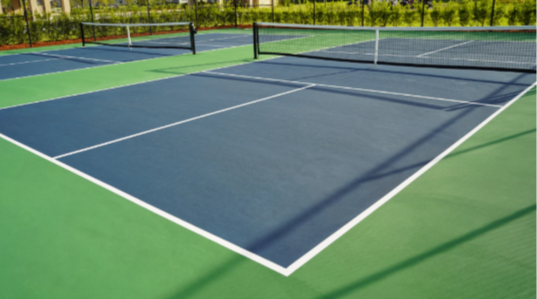
Court performance and player safety are closely connected to surface condition. As courts age, cracks, uneven textures, and worn coatings begin to affect how the ball moves and how players move across the surface. In competitive and recreational settings alike, professional tennis court resurfacing in Georgia plays an essential role in maintaining consistent play and reducing injury risks. Understanding how resurfacing impacts both court speed and safety helps facility owners make informed decisions that support long term performance.
Resurfacing is not simply about improving appearance. It directly influences traction, ball response, and overall playability. When courts are properly maintained, athletes can focus on technique and strategy instead of worrying about unpredictable conditions underfoot.
The Relationship Between Surface Texture and Court Speed
Court speed is largely determined by surface texture and material composition. Over time, weather exposure and heavy use cause surfaces to become slick in some areas and abrasive in others. These inconsistencies change how quickly the ball travels after contact with the court.
Fresh resurfacing restores uniform texture, allowing the ball to bounce predictably. This consistency helps players adjust their timing and movement with confidence. A well resurfaced court supports balanced gameplay, whether the goal is faster rallies or controlled baseline exchanges. Facilities that invest in resurfacing often notice improved match flow and fewer disruptions caused by erratic ball behavior.
Court speed also affects player fatigue. When ball response is consistent, players expend less energy compensating for unexpected bounces. This contributes to better endurance and overall performance during extended play.
Player Safety and Injury Prevention
Safety is one of the most important reasons to resurface aging courts. Cracks, low spots, and surface peeling increase the risk of slips, trips, and joint strain. These hazards become especially dangerous during quick directional changes and sudden stops.
Resurfacing corrects uneven areas and restores proper traction levels. A balanced surface allows players to move confidently without excessive strain on ankles, knees, and hips. Improved traction also reduces the likelihood of falls during aggressive play or wet conditions.
Understanding the benefits of resurfacing a tennis court helps facility managers prioritize safety upgrades. Proper resurfacing supports shock absorption and smoother movement, which can significantly reduce impact related injuries over time. Safer courts encourage more consistent use and greater confidence among players of all skill levels.
How Environmental Conditions Influence Surface Wear
Climate plays a major role in how quickly courts deteriorate. Heat, humidity, rainfall, and temperature fluctuations gradually weaken surface materials. Without regular resurfacing, courts exposed to these conditions lose their original performance qualities.
Resurfacing provides a protective layer that helps courts withstand environmental stress. Modern resurfacing systems are designed to resist moisture penetration and surface breakdown. This protection helps maintain consistent court speed while preventing premature structural damage. Facilities that schedule resurfacing at appropriate intervals extend the life of their courts and reduce the need for costly structural repairs. Proactive maintenance ensures that playing conditions remain reliable year-round.
Consistency Across Competitive and Recreational Play
Both competitive athletes and casual players benefit from resurfaced courts. Competitive players rely on accurate ball response and dependable traction for match preparation. Recreational players enjoy a smoother and safer playing experience that allows them to focus on enjoyment rather than surface conditions.
Uniform resurfacing also supports fair play. When courts maintain consistent speed across all areas, matches are decided by skill rather than surface irregularities. This consistency is especially important in tournament settings and training environments. Professional resurfacing ensures that courts meet performance expectations without compromising safety standards. Facilities that prioritize surface quality often experience higher participation rates and greater player satisfaction.
Conclusion
Resurfacing has a direct and meaningful impact on both court speed and player safety. By restoring consistent texture, improving traction, and correcting surface damage, resurfacing enhances overall playability while reducing injury risks. Well maintained courts support better performance, longer facility lifespan, and safer conditions for every player. Investing in professional resurfacing ensures that courts remain reliable, competitive, and enjoyable for years to come.