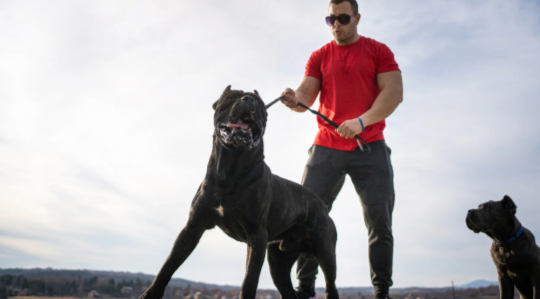
Dealing with a reactive or hostile dog can feel overwhelming for even the most patient owners. It transforms peaceful walks into stressful ordeals and makes inviting guests over nearly impossible. Recognizing when standard obedience isn’t enough is the first step toward restoring peace in your household. Professional intervention is often the only safe path forward, particularly when seeking aggressive dog training in Atlanta to address deep-rooted behavioral issues effectively.
Understanding the Root Causes of Canine Aggression
Aggression in dogs is rarely simple “bad behavior.” It is a complex communication signal often rooted in fear, anxiety, or a biological drive to protect territory. Specialized trainers look beneath the surface to growl to understand the “why” behind the bite.
Fear-Based Reactivity
Many dogs lash out because they feel threatened. When a dog feels cornered or unsure, their fight-or-flight response kicks in. Professional trainers excel at desensitizing these triggers in a controlled environment. Unlike standard obedience classes, behavior modification programs focus on changing the dog’s emotional response to the stimulus, rather than just suppressing the growl.
Territorial and Protective Instincts
Some breeds are naturally more guarding, but when that instinct becomes unmanageable, it poses a danger to everyone. A professional can help distinguish between healthy alertness and dangerous territoriality. This requires a nuanced approach where the dog learns that their handler is in control of the environment, reducing the dog’s perceived need to “protect” at all costs.
Why Specialized Classes Are Essential
General obedience classes are fantastic for teaching “sit” and “stay,” but they are often ill-equipped to handle serious aggression cases. In fact, putting a reactive dog in a standard class can sometimes worsen the behavior due to stress stacking.
The Problem with Generalized Approaches
Attempting to fix complex behavioral problems with standard commands often fails because it doesn’t address the underlying emotion. Specialized classes utilize behavior modification techniques that are tailored to safety. This is where understanding specific behaviors becomes crucial. For instance, what leash aggression is and how one can control it is a common issue that requires specific handling techniques to prevent the dog from escalating when they see another animal or person while tethered.
Safety Protocols and Controlled Environments
Professional behaviorists provide a structured setting where variables are strictly managed. This safety net is impossible to replicate in a public park or living room. In these classes, professionals use muzzles, long lines, and barriers strategically to ensure that the dog can learn without the risk of injury to themselves or others. This controlled exposure is vital for successful rehabilitation.
The Role of Professional Evaluation
Before any training regimen begins, a thorough evaluation is necessary. This assessment determines the severity of the aggression and the best course of action.
Identifying Triggers Accurately
A professional eye can spot subtle body language cues that most owners miss. These micro-signals—like a stiffening tail or a hard stare—predict an outburst long before a bark occurs. By identifying these early warning signs, trainers can intervene at the exact right moment to redirect the dog’s focus.
Customizing the Rehabilitation Plan
Every dog is different. A plan that works for a resource-guarding Spaniel will not work for a fear-aggressive Shepherd. Experts tailor their methodology to the specific dog and the owner’s lifestyle. This customization ensures that the training sticks and transfers to real-world scenarios, rather than just working in the training facility.
Conclusion
Living with a difficult dog is a heavy burden, but it is not one you have to carry alone. Seeking out specialized help is a responsible choice that prioritizes the safety of your pet and your community. With the right professional guidance, structured environments, and expert handling, even dogs with significant behavioral challenges can learn to navigate the world more calmly. The journey to a balanced companion begins with acknowledging the need for expert support.