
Designing a home that feels both inviting and comfortably private is a goal for many homeowners. Striking this balance requires intentional planning, thoughtful space division and an understanding of how people move and interact within the home. Early collaboration with a residential architect in Atlanta can ensure that layout choices support daily routines while still offering flexibility and visual openness. When privacy and openness coexist harmoniously, the home becomes a retreat that enhances comfort, functionality and overall quality of life.
Creating Zones for Privacy Within Open Plans
One effective method for balancing openness with privacy is zoning. Zoning organizes the home into functional clusters such as active, quiet and transitional areas. Common living spaces like kitchens and family rooms can be grouped to keep activity centralized. Meanwhile bedrooms, offices and reading nooks are placed in more secluded locations to reduce noise and foot traffic.
Architects may also incorporate subtle separators that maintain visual openness while creating a sense of boundary. These can include partial walls, interior windows, columns or changes in floor level. Such design elements allow residents to feel connected without sacrificing the comfort of personal space.
Using Natural Light and Views to Enhance Openness
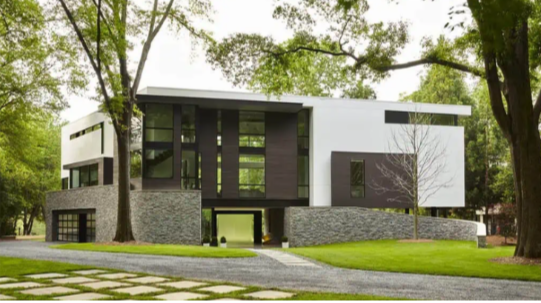
Light plays an essential role in how open or closed a space feels. Generous windows, skylights, and glass doors allow natural light to flow between rooms, which enhances the perception of unity and openness. Strategically placed windows can also direct views outward, which helps maintain privacy from neighboring properties.
Architects often work to maximize daylight while minimizing exposure, using techniques such as high clerestory windows or frosted glass. These solutions brighten interiors while ensuring residents do not feel on display.
The Importance of Strategic Space Planning
A well-designed layout does more than arrange rooms. It considers how each area connects, how noise travels and where residents need solitude versus interaction. Open concept living has grown in popularity for its ability to make spaces feel larger, brighter, and more connected. However, even the most open plans require areas where privacy is preserved.
Before examining key design strategies, it helps to understand broader distinctions in structure, purpose, and use. Understanding the differences between commercial vs. residential architecture reveals how residential layouts must prioritize comfort and lifestyle, which guides decisions around spatial division and flow.
Designing for Modern Lifestyles
As lifestyles evolve, so do expectations for how a home should function. With more people working remotely, dedicated quiet areas have become essential. Thoughtful layouts may integrate flexible rooms that serve as offices, guest spaces or hobby areas depending on changing needs. This adaptability allows the home to remain practical and comfortable over time. In family homes architects may incorporate features such as pocket doors that open or close spaces as needed. These adjustable boundaries allow residents to enjoy an open atmosphere during gatherings while easily creating privacy for focused activities.
The Role of Circulation in Balancing Privacy
Circulation refers to the pathways that guide movement throughout the home. Good circulation prevents private areas from becoming passageways. For example, placing bedrooms away from main entry points or central gathering spaces reduces disruptions. Hallways can also act as buffers between rooms promoting privacy without isolating residents. Open circulation paths contribute to spaciousness while clear transitions between zones maintain comfort. When both are considered carefully the home feels cohesive and intuitive.
Conclusion
Balancing privacy and openness in residential design is achieved through thoughtful planning, strategic zoning and an understanding of how daily life unfolds within the home. By blending connected communal areas with well protected private spaces architects create environments that feel both expansive and personal. The result is a home that supports comfort, flexibility and long-term enjoyment for everyone who lives there.